

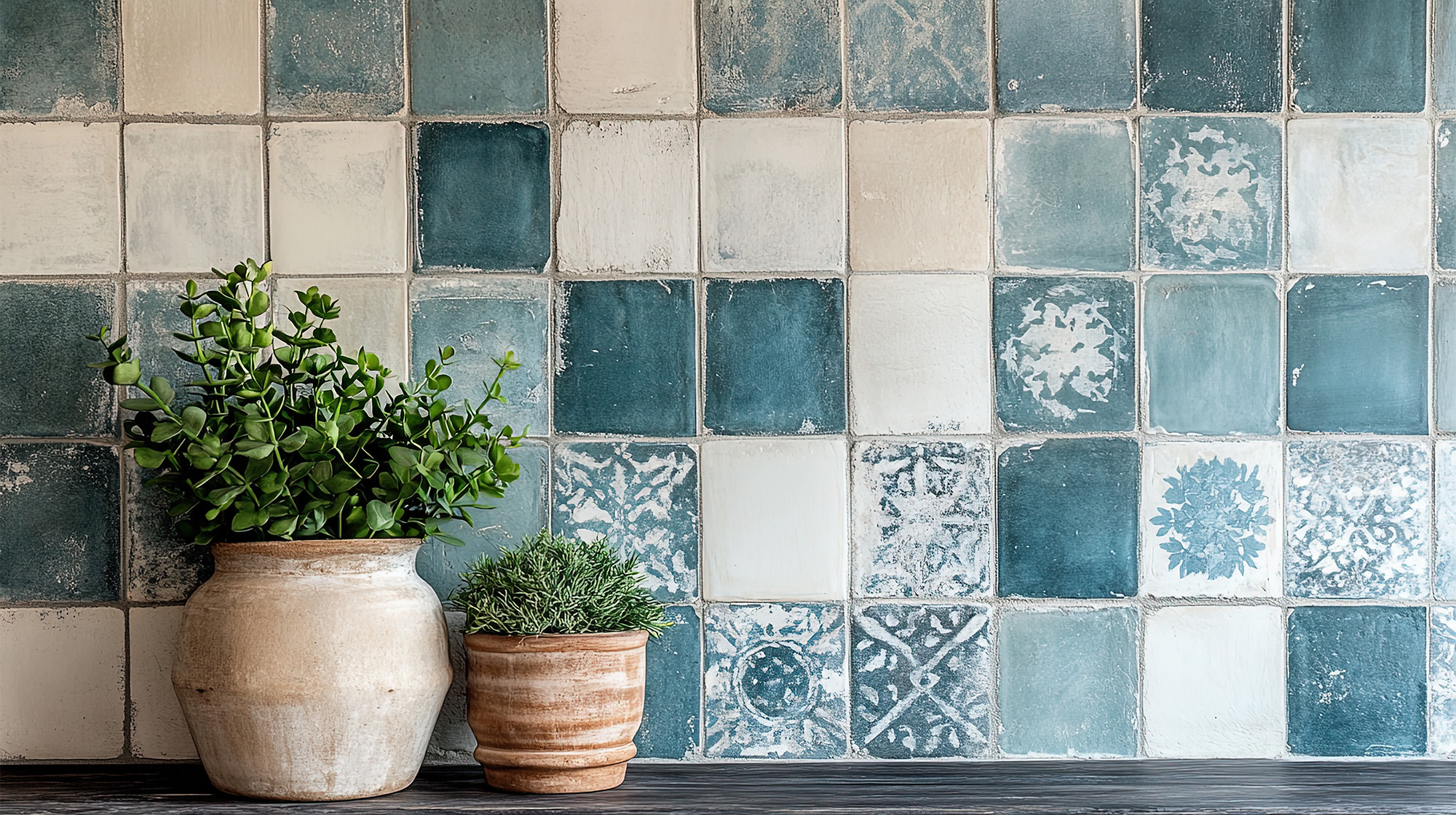
When designing or updating a kitchen, cabinetry and countertops often take center stage during early discussions. However, the backsplash plays a uniquely powerful role in tying the entire space together. Positioned at eye level, a well-chosen tile backsplash bridges the gap between your countertops and upper cabinets, turning an ordinary wall into a striking focal point. Beyond aesthetics, it serves a critical practical purpose: protecting your drywall from water splashes, cooking grease, and heat.
Playing with Pattern and Layout
Standard subway tile remains a classic choice, but the way you lay the tile can completely transform its final character. Rather than relying on a traditional running bond layout, consider exploring alternative pattern arrangements that add movement to your space:
Herringbone and Chevron: Laying rectangular tiles at a 45-degree or 90-degree angle creates a dynamic, architectural weave that draws the eye upward, making ceilings feel higher.
Vertical Stack: Stacking tiles vertically creates a clean, modern aesthetic with strong linear symmetry that suits contemporary spaces.
Diagonal or Diamond: Rotating square tiles creates subtle geometry that breaks up rigid horizontal lines.
Texture and Surface Dimension
Color is only one component of a successful backsplash installation; texture introduces tactile warmth and visual depth. Handcrafted-style zellige tiles feature slight variations in thickness, surface wave, and glaze density, catching ambient kitchen light from different angles throughout the day. Alternatively, bevel-edged tiles add dimensional shadow lines, while three-dimensional textured ceramic tiles turn plain walls into sculptural installations.
Material Selection: Glass, Porcelain, and Stone
Choosing the right material depends on your cooking habits and desired aesthetic:
Porcelain & Ceramic: Exceptional durability, easy cleaning, and virtually unlimited options for color, size, and finish.
Glass Tile: Reflects light back into the kitchen, making smaller spaces feel significantly brighter and larger.
Natural Stone Tile: Adds organic, one-of-a-kind variation in tone and texture that pair beautifully with wood cabinetry or solid-color quartz tops.
Choosing the Right Grout Line
Grout selection is an often-overlooked detail that drastically alters your backsplash's visual impact. Matching your grout color to your tile creates a smooth, continuous surface where the pattern blends into the background. Conversely, choosing a contrasting grout color highlights every individual tile shape and emphasizes geometric patterns.
Transform your kitchen wall into an inspiring architectural feature.
Explore our vast range of premium ceramic, porcelain, glass, and stone tiles at Hard Rock Stone & Tile, and let our team help you design a custom backsplash tailored to your style.


