

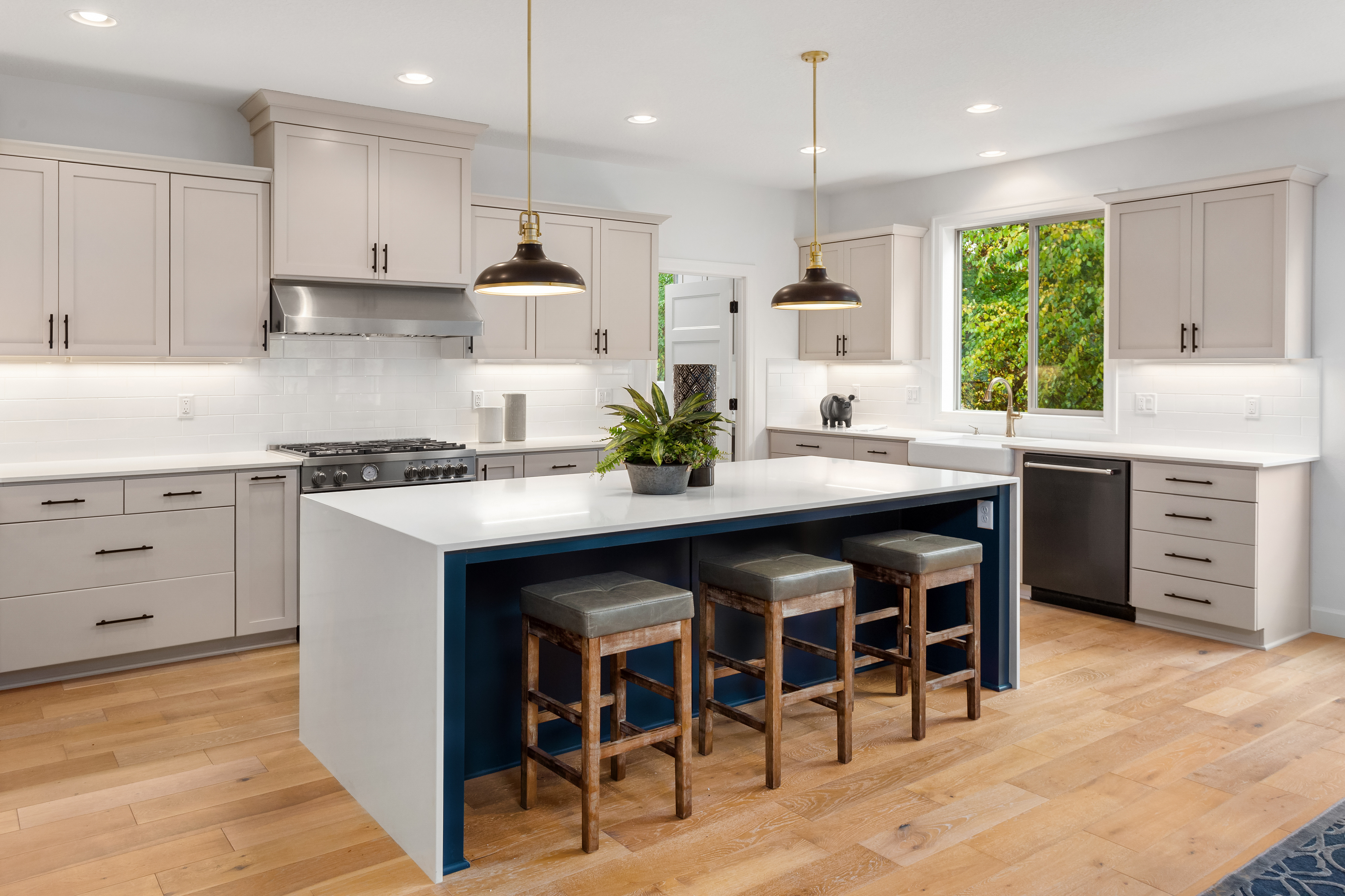
Choosing new kitchen countertops almost always brings homeowners to the same classic crossroads: engineered quartz or natural granite? Both materials dominate modern kitchen remodels, and for good reason. They are durable, striking, and capable of elevating the visual appeal of any home. However, they are fundamentally different materials with distinct physical properties, maintenance demands, and visual characteristics. Understanding these differences is key to picking the surface that aligns with how your kitchen actually operates day to day.
The Organic Beauty of Natural Granite
Granite is a 100 percent natural igneous rock quarried directly from the earth. Sliced into massive slabs and polished to a shine, no two pieces of granite are ever identical. The intricate swirls, random mineral specks, and unique color variations found in granite mean your kitchen will have a truly one-of-a-kind focal point.
Beyond its natural beauty, granite excels in heat resistance. You can set a warm pan down on a granite counter without worrying about scorch marks or thermal shock. However, because granite is a natural stone, it features microscopic pores. To keep liquids, oils, and dark juices from seeping beneath the surface and causing permanent discoloration, granite requires periodic sealing—typically once every one to two years.
The Engineered Consistency of Quartz
Quartz countertops, on the other hand, are engineered surfaces. Manufactured using roughly 90 to 93 percent crushed quartz minerals bound together with resin binders and pigments, quartz offers remarkable physical uniformity. If you want predictable veining, clean solid colors, or precise marble patterns that match seamlessly across long counter runs, quartz delivers that control.
The standout functional advantage of quartz is its complete non-porosity. Because there are no open pores, liquids stay right on the surface. You never have to apply chemical sealers, and everyday cleanup requires nothing more than mild soap and water. The trade-off? The resin binders in quartz make it sensitive to extreme heat, meaning hot trivets are essential when moving pots directly from the stovetop.
Comparing Long-Term Durability and Daily Use
When it comes to raw hardness, both materials perform exceptionally well against scratches and gouges. Heavy cookware, sharp knives, and active meal prep rarely leave a mark on either surface under normal use.
Stain Resistance: Quartz takes a slight lead due to its non-porous structure, requiring zero maintenance sealers.
Heat Tolerance: Granite easily takes the lead, effortlessly handling high temperatures that would damage quartz resins.
Aesthetic Range: Granite offers raw, earthy movement created by nature; quartz offers curated designs ranging from crisp solid whites to realistic marble lookalikes.
Making the Final Choice for Your Home
Your decision ultimately comes down to lifestyle preferences. If you appreciate raw natural history, heat tolerance, and don't mind a simple sealing routine every couple of years, granite is a classic pick. If you prefer zero maintenance, stain proofing, and predictable design patterns, quartz is hard to beat.
Ready to see both materials up close?
Explore our wide selection of granite and quartz slabs at Hard Rock Stone & Tile today or stop by our showroom to find the perfect counter for your home.


