

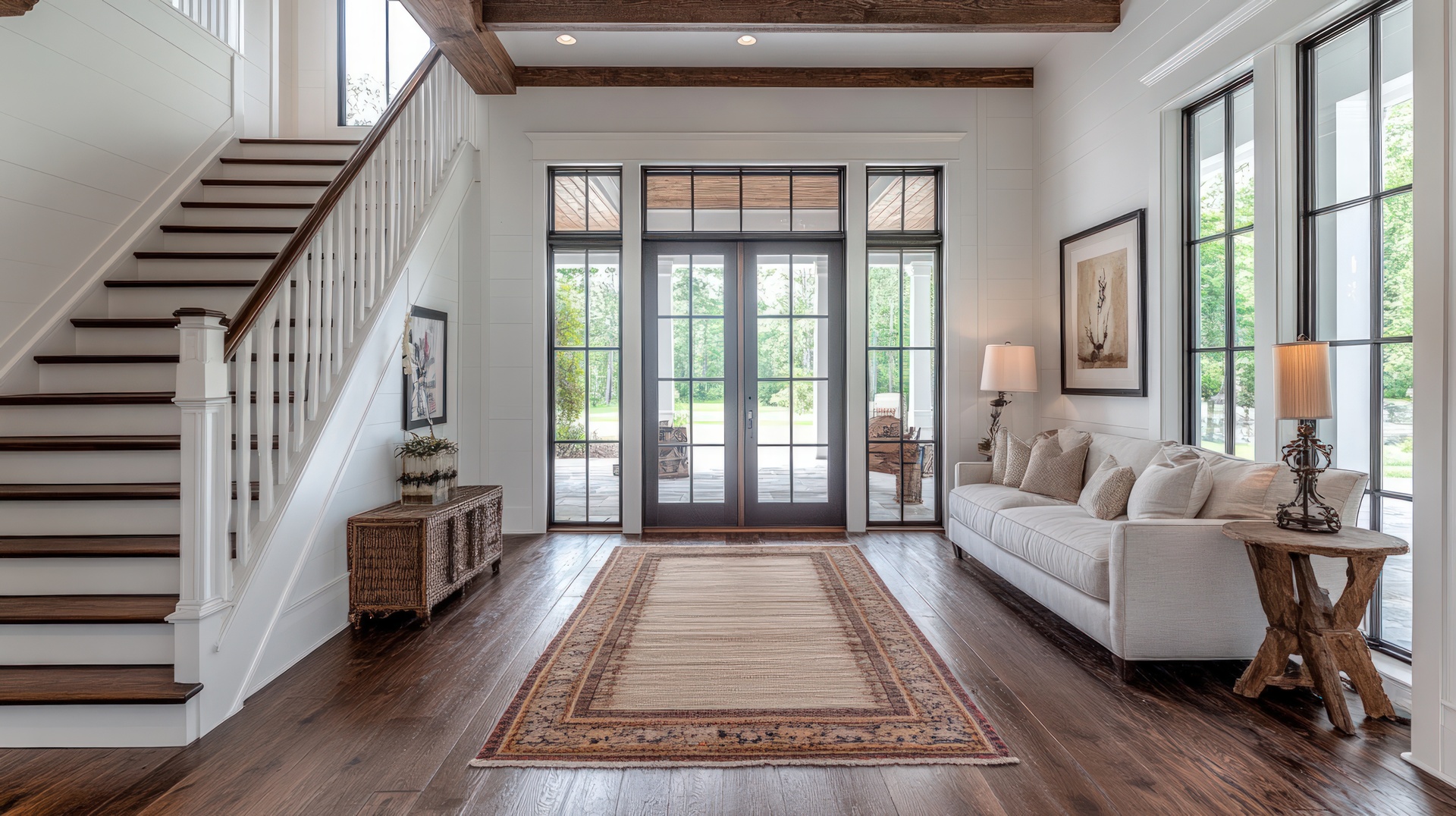
Hardwood floors have always carried a sense of timeless character, but the way planks are laid can completely change how a space feels. Floor layout patterns are no longer just a technical decision made during installation—they are a design statement that shapes movement, depth, and personality throughout a home. From classic arrangements to bold architectural patterns, hardwood layouts offer far more flexibility than many homeowners realize.
Chevron, herringbone, and other creative patterns are gaining popularity because they transform hardwood flooring into a focal point rather than a backdrop. Understanding how each layout works—and where it shines—makes it easier to choose a design that feels intentional and long-lasting.
Straight lay floors and their enduring appeal
The straight lay pattern remains the most familiar hardwood layout, with planks running parallel from one wall to the other. While simple, this arrangement is far from boring. It highlights the natural grain of the wood and works beautifully in both traditional and contemporary homes.
Straight layouts are often favored for open floor plans because they create visual continuity between rooms. When installed lengthwise in narrower spaces, they can also make hallways and smaller rooms feel longer and more open.
Chevron patterns that create movement and drama
Chevron flooring delivers instant visual impact. Each plank is cut at an angle so the ends meet to form a clean, continuous “V” shape across the floor. This precise alignment gives chevron its crisp, tailored look.
Homes with high ceilings or large living areas benefit especially from chevron patterns, as the directional lines naturally draw the eye forward. Lighter wood tones soften the bold geometry, while darker finishes emphasize contrast and depth. Chevron layouts require expert planning and installation, but the finished result often feels custom and architectural.
Herringbone layouts rooted in classic design
Herringbone patterns are often confused with chevron, but the difference lies in the construction. Instead of angled cuts, rectangular planks are laid in a staggered zigzag pattern. This creates a broken, textured rhythm that feels both refined and inviting.
Historically seen in European estates and historic buildings, herringbone has made a strong return in modern homes. It works particularly well in entryways, dining rooms, and kitchens where added visual interest enhances the space without overpowering it. The pattern pairs beautifully with natural oak, walnut, and brushed finishes.
Diagonal installations that subtly shift perspective
Installing hardwood planks diagonally across a room adds a quiet layer of sophistication. While less bold than chevron or herringbone, diagonal layouts can dramatically alter how a space feels.
This pattern is especially effective in square rooms or areas with awkward dimensions. By breaking away from straight walls, diagonal floors can soften rigid layouts and create a sense of flow. It’s a thoughtful option for homeowners seeking something different without committing to a highly intricate pattern.
Wide plank layouts that emphasize scale and texture
Wide plank hardwood floors focus less on pattern repetition and more on material presence. Wider boards showcase natural grain variation, knots, and tonal shifts, allowing the wood itself to take center stage.
When paired with longer plank lengths, wide plank layouts create a clean, expansive look that suits coastal, modern farmhouse, and transitional interiors. The simplicity of the layout allows furnishings, lighting, and architectural details to shine without competition.
Mixed-width patterns for layered character
For those drawn to a more organic look, mixed-width hardwood layouts offer subtle variation and depth. Planks of different widths are arranged in a repeating or random sequence, adding texture without a formal pattern.
This approach works well in casual living spaces, older homes, or renovations aiming to preserve character. Mixed-width layouts feel natural and lived-in, especially when combined with hand-scraped or wire-brushed finishes.
Borders, inlays, and custom accents
Beyond full-floor patterns, hardwood layouts can include borders, medallions, or inlays to define specific areas. These details are often used in formal dining rooms, entryways, or large open spaces to visually separate zones.
Custom accents elevate hardwood flooring into a true design feature. Even a simple contrasting border can frame a room and add a level of craftsmanship that feels intentional and distinctive.
Choosing a layout that fits the home
Selecting the right hardwood layout involves more than aesthetics. Room size, ceiling height, natural light, and furniture placement all influence how a pattern will feel once installed. A bold layout can energize a space, while a simpler pattern may provide balance and longevity.
Professional guidance ensures the chosen pattern aligns with both design goals and practical considerations. Proper subfloor preparation, plank selection, and installation techniques are essential for long-term performance, especially with more complex layouts.
Compare hardwood floor layouts in person with our team
At Hard Rock Stone Tile & Flooring, we help homeowners choose hardwood floor layouts that make sense for the space—not just what looks good online. From chevron and herringbone to wide plank and custom patterns, our team handles both design guidance and expert installation. Visit our showroom in Semmes, AL, or Santa Rosa Beach, FL, or schedule a same-day appointment and let us bring hardwood samples directly to the home.


